Protein gets the attention, carbohydrates get the arguments, and fibre — the one almost everyone is genuinely short of — gets ignored. The average adult in most Western diets eats roughly half the recommended amount.
Two types, two jobs
| Type | What it does | Where it is |
|---|---|---|
| Soluble | Forms a gel, slows digestion, feeds gut bacteria, helps blood lipids | Oats, legumes, apples, carrots, barley |
| Insoluble | Adds bulk, speeds transit, helps regularity | Wholegrains, bran, nuts, vegetable skins |
You do not need to track the split. Eating a range of plants covers both, which is why "eat more different plants" outperforms any single fibre product.
Why it changes how hungry you feel
Fibre slows gastric emptying and adds volume without adding many calories, so a high-fibre meal occupies more space and leaves more slowly. That is why a lentil soup and a white bread sandwich of identical calories produce completely different afternoons.
It also feeds the bacteria in your large intestine, which produce short-chain fatty acids — a mechanism linked in research to appetite signalling and gut health, though it is easy to overstate how much of this is settled.
Adding it without the discomfort
Almost every bad experience with fibre comes from doing it in one weekend. The bacteria that ferment it need time to adapt, and the by-product of that fermentation is gas.
- Increase by about 5 g a week, not 15 g overnight.
- Raise fluid at the same time. Fibre without water can make constipation worse rather than better.
- Start with soluble sources such as oats and cooked legumes; they are typically gentler than a sudden pile of raw bran.
- Spread it across meals instead of one enormous salad.
The four easiest swaps
White rice → bulgur. White bread → wholegrain. Fruit juice → the whole fruit. Crisps → a handful of nuts. Together these usually close most of the gap without a single new recipe.

Kiva's shortcut
Add legumes to one meal a day. That single habit moves most people from "not enough" to "about right" within a week.
When more fibre is not the answer
Persistent bloating, pain, blood in stool, unexplained weight loss or a sudden lasting change in bowel habits are not fibre problems to solve at home — see a doctor. People with IBS, inflammatory bowel disease or a history of bowel surgery should change fibre intake with professional guidance, since some types can make symptoms worse.
Frequently asked questions
How much fibre do I need per day?
General guidance for adults sits around 25–30 g a day. Most people in Western diets get closer to 15 g, so the gap is usually about 10 g — roughly one extra portion of legumes plus one of fruit.
Why does adding fibre cause bloating?
Usually because it was added too fast, or without extra fluid. Gut bacteria need a few weeks to adapt. Increasing by about 5 g a week, with more water, avoids most of the discomfort.
Are fibre supplements as good as food?
Supplements can help with specific problems such as constipation, but whole foods bring fibre alongside vitamins, minerals and plant compounds. Food first, supplements as a targeted tool.
Keep reading
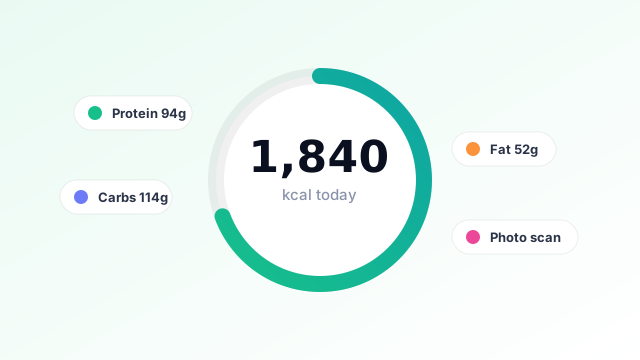
How much protein do you actually need?
Grams per kilo, not percentages — and why how you spread protein across the day matters more than the exact daily total.
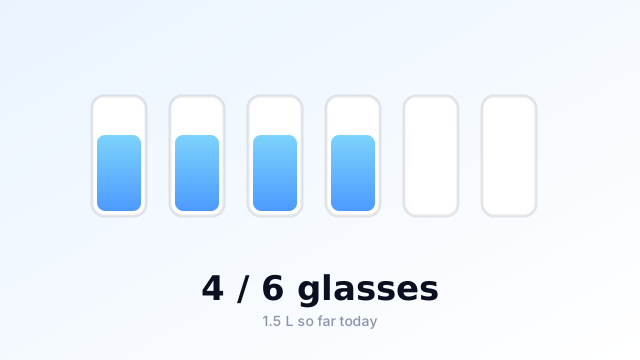
How much water do you need a day?
Where the eight-glasses rule came from, what really sets your needs, and the one check that beats every formula.